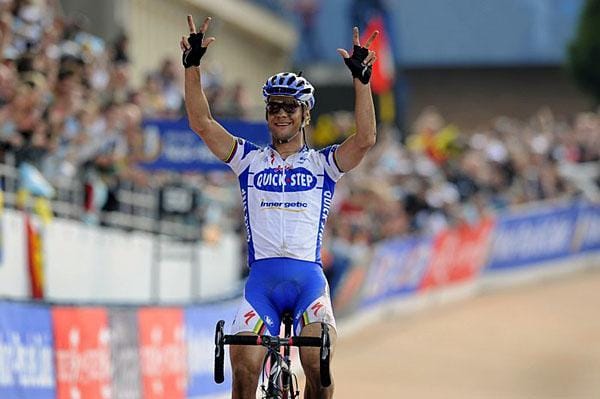
April 17, 2005: Tom Boonen's Roubaix Breakthrough
Exactly 20 years ago today, a young Tom Boonen claimed his first Paris-Roubaix victory, marking the arrival of cycling's next cobblestone king. The 24-year-old Belgian, already victorious at Tour of Flanders two weeks prior, dominated the Hell of the North with raw power and tactical brilliance. Breaking away with George Hincapie and Juan Antonio Flecha, Boonen unleashed an unstoppable sprint in the Roubaix velodrome. This victory launched a legendary classics career that would see him equal Rog
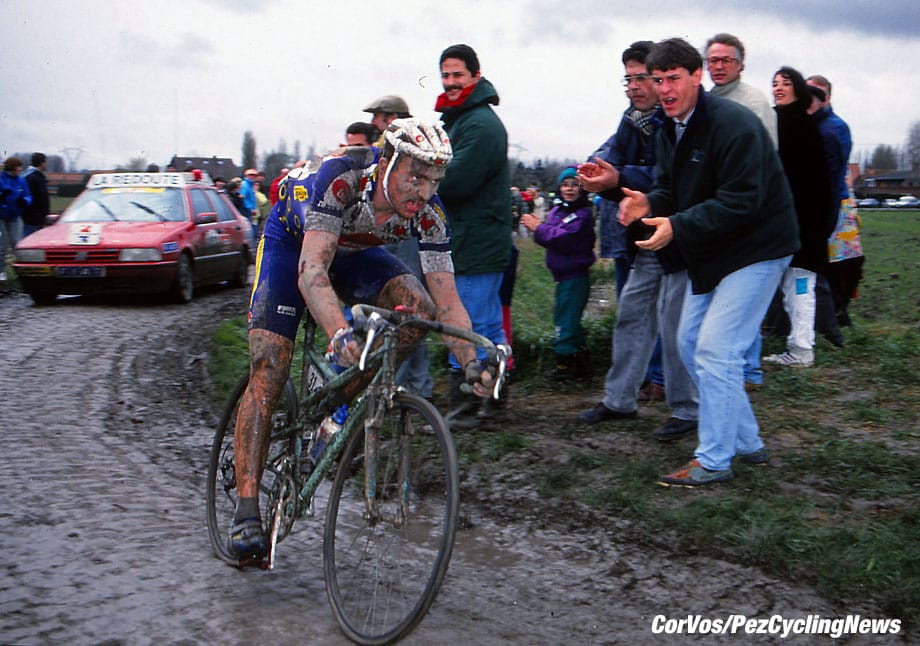
April 17, 1994: Museeuw's First Roubaix
Johan Museeuw stormed to his first Paris-Roubaix victory on this day in 1994, cementing his status as a classics legend. After 270 grueling kilometers across the cobblestones of northern France, the Belgian strongman broke clear with Fabio Baldato and Andrei Tchmil. With 30km remaining, Museeuw launched a devastating attack that neither could follow. Crossing the finish line in the iconic Roubaix velodrome, arms raised in triumph, The Lion of Flanders roared to the first of what would become thr
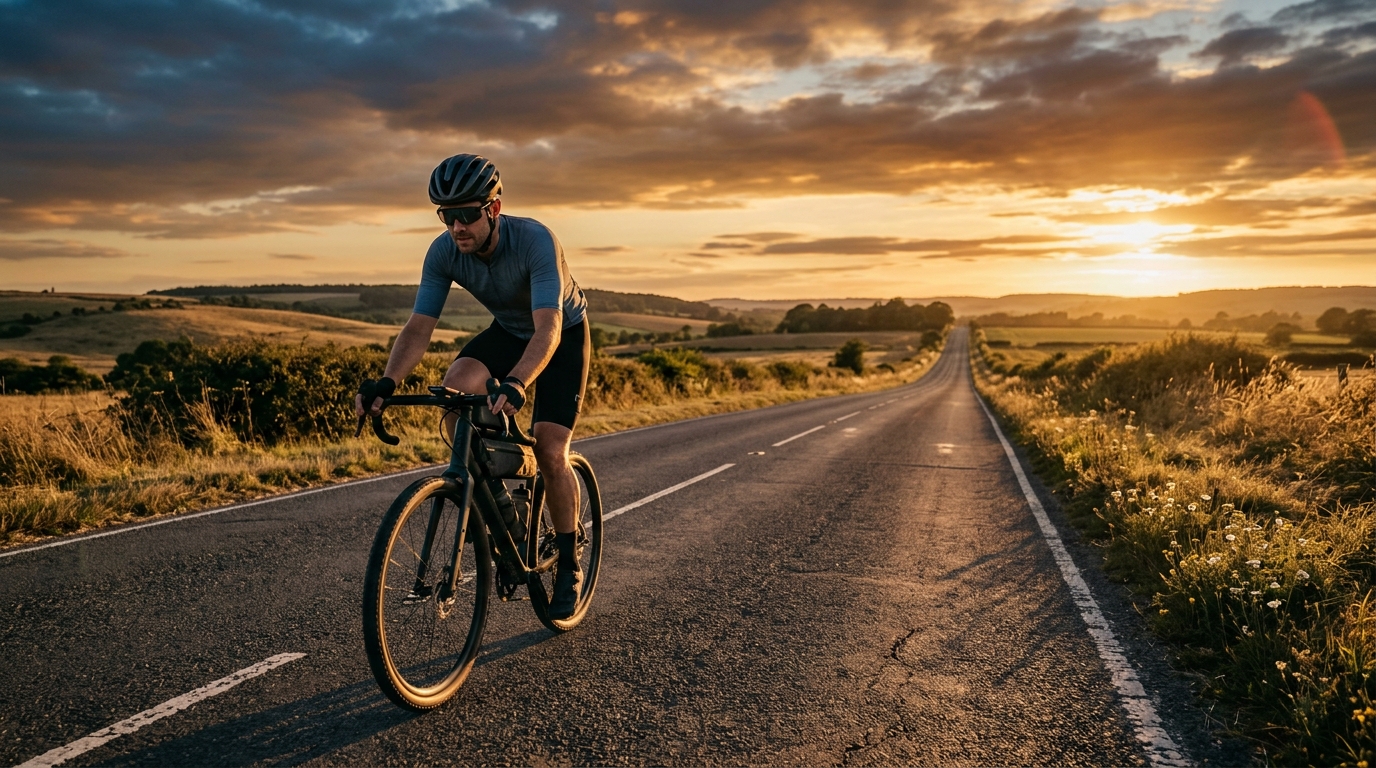
Zone 2 Training for Cyclists: What the Science Actually Says in 2026
Zone 2 training has taken over cycling discourse — but a landmark 2025 peer-reviewed paper suggests the popular narrative is built on shakier ground than most coaches admit. Here's what the evidence actually supports.
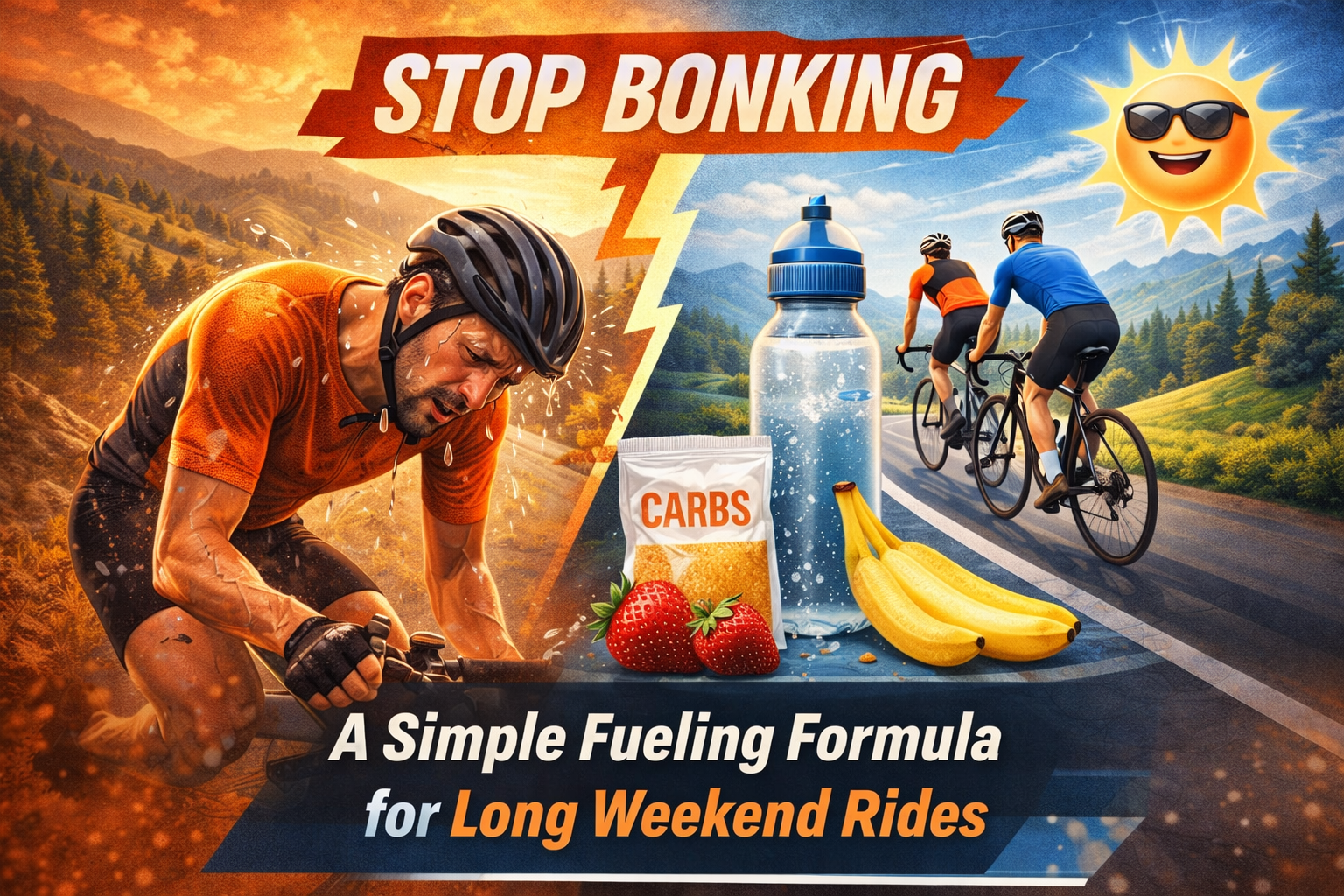
Stop Bonking: A Simple Fueling Formula for Long Weekend Rides
That horrible hollow feeling 90 minutes into a big ride? It's not bad luck — it's bad fueling. Here's a simple, ride-length formula that keeps your legs turning and your brain functioning all the way home.
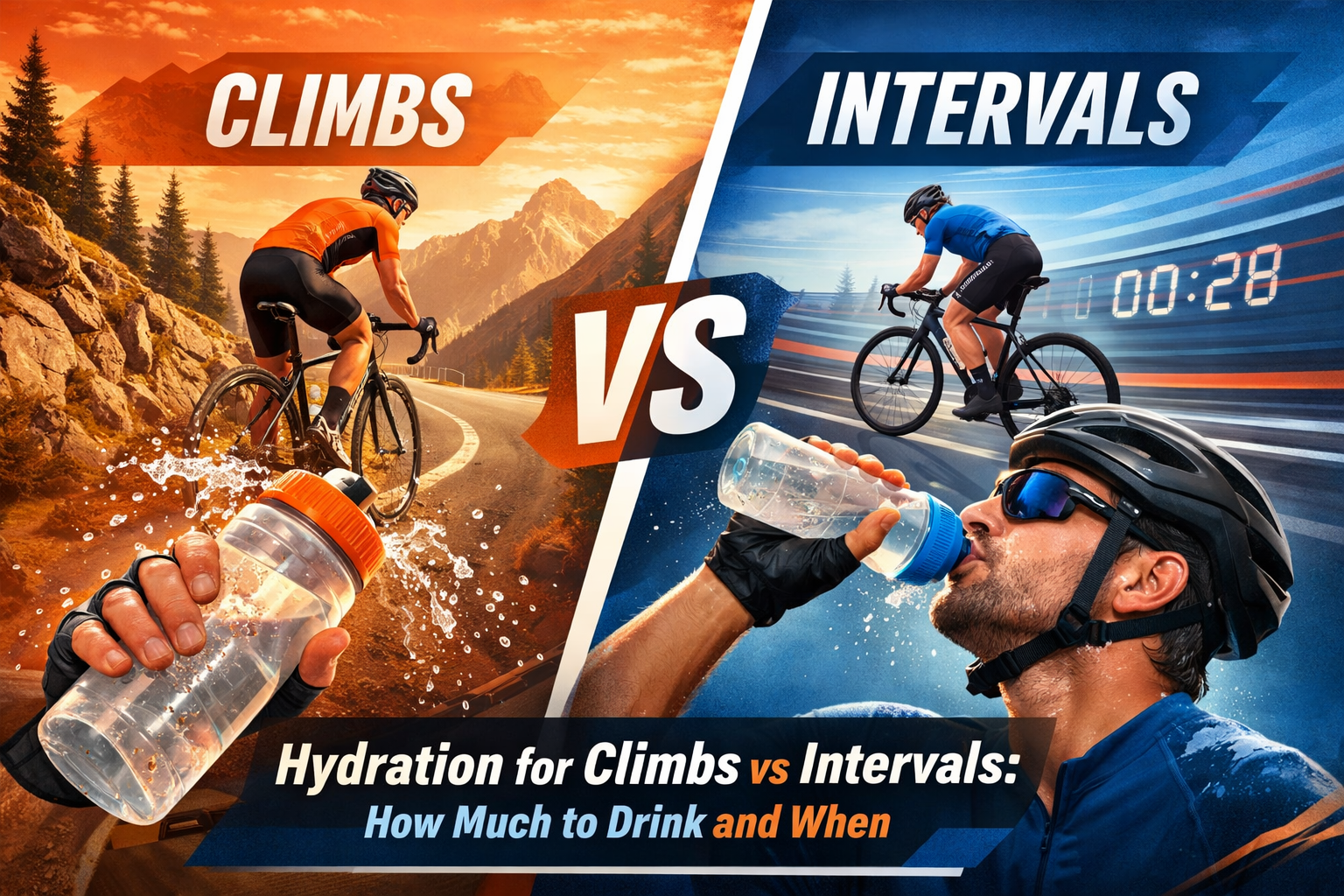
Hydration for Climbs vs Intervals: How Much to Drink and When
Dehydration doesn't announce itself with a bonk — it creeps in quietly, shaving watts and clouding judgement before you even notice. Here's a scenario-by-scenario guide to getting your fluid and sodium intake right, whether you're grinding up a twenty-minute col or smashing intervals on the turbo.

Last Week in Cycling - 24th November
1. Cyclo‑cross opener: Lucinda Brand holds on in freezing Tábor On 23 November 2025 the opening round of the 2025/26 UCI Cyclo‑cross World Cup took place in Tábor, Czech Republic, and Brand claimed the women’s elite win. Why it matters: Brand’s win shows that even with the usual off‑season changes (equipment, mud depth, new rivals) she’s still sharp when the snow and ice begin. For cyclo‑cross fans this race ticks the “early season shake‑out” box. Interesting observation: The race underscor
Maximising Cycling Performance Through Polarised Training
Introduction Cycling performance depends on aerobic capacity, muscular endurance, recovery ability and the capacity to produce high power when required. One widely supported training approach that has gained substantial scientific backing in recent years is polarised training. This method distributes training intensity so that the majority of work is completed at lowintensity, while a smaller proportion is carried out at very high intensity — with relatively little time spent in the moderate, t

Last Week in Cycling - 3rd November
1. Indoor training kicks off with style (and a discount) If the nights are drawing in and you’re eyeing your turbo trainer warily, you’ll like this: during “Indoor Cycling Week” at Cyclingnews, they’ve rolled out a full set of advice on how to get the most out of indoor sessions — and as a cherry on top, an exclusive 20 % off deal on the Wahoo Kickr Core 2 (with Zwift Cog & Click) for readers. Highlights: * The dark evenings = “tunnel time” for many cyclists, so optimising your indoor set‑
On this day (October 27th 1996) - Breaking the Hour
Jeannie Longo stood at the track center, eyes fixed on the clock. October 1996, Mexico City's thin air hummed with anticipation. For 48 minutes, she had maintained a metronomic pace, pushing the boundaries of women's cycling. When the gun finally sounded, she had done it: 48.159 kilometers, a new women's hour record. The Queen of French cycling had added another jewel to her crown.
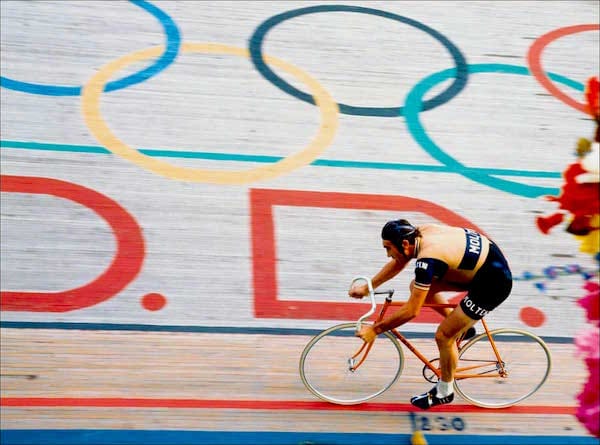
On this day (October 25th 1972) - The Hour That Stood Still
Eddy Merckx lay exhausted on the wooden track of Mexico City's velodrome. October 25, 1972 – he had just ridden further in one hour than any human in history. The Cannibal's legs trembled, his lungs burned, but the numbers spoke volumes: 49.431 kilometers. For 12 years, this seemingly impossible record would stand untouched. The greatest rider of all time had pushed the boundaries of human endurance, setting a benchmark that would inspire generations of cyclists to come
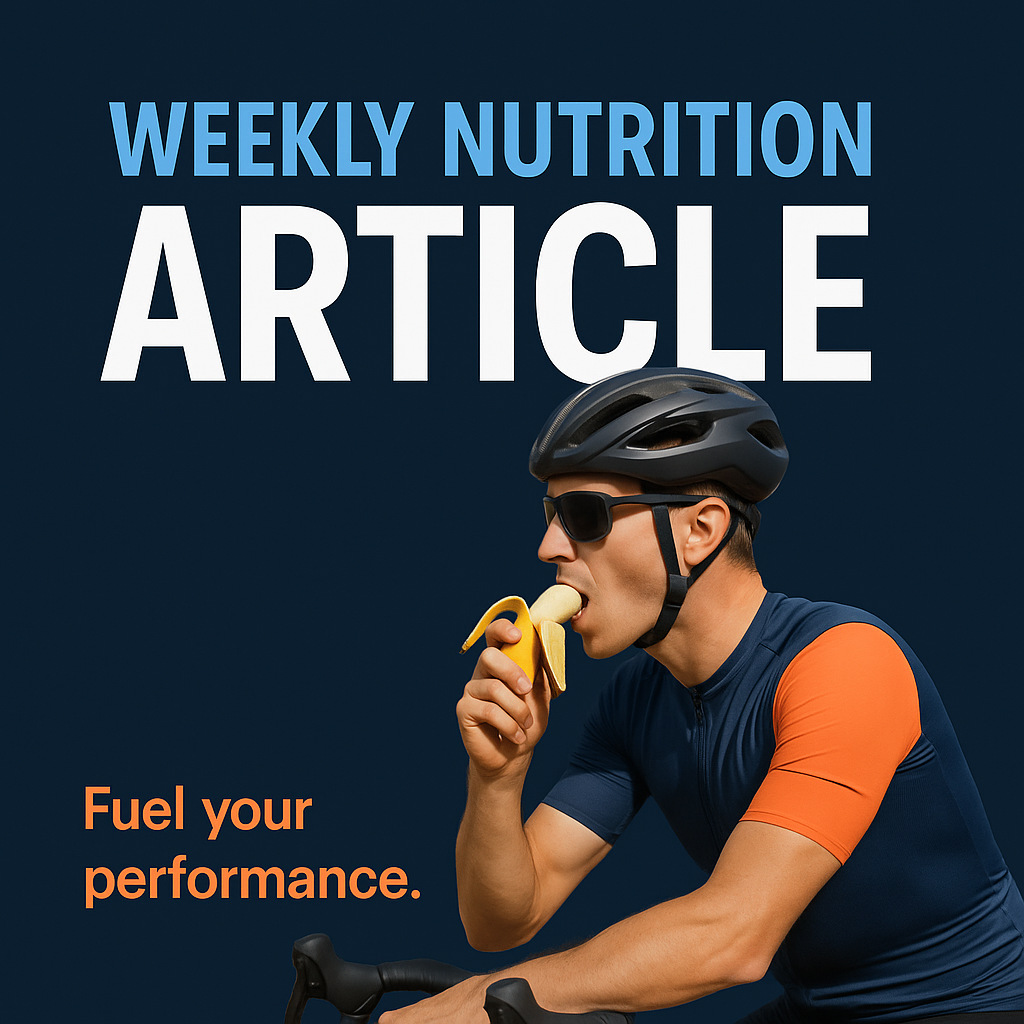
Why Nutrition is a Key Performance Lever in Cycling
In endurance cycling, performance isn’t just about training volume or biomechanics. What and when you eat — plus how you recover nutritionally — can make a meaningful difference in power output, fatigue resistance, recovery, and adaptation. Nutrition influences: * Fuel supply (muscle & liver glycogen, blood glucose) * Substrate utilisation (carbs vs fat, sparing mechanisms) * Recovery and adaptation (repair of muscle, mitochondrial remodelling, glycogen re‑synthesis) * Resilience in multi‑d
Durability: A Key Performance Lever for Cyclists
What Is “Durability”? In the context of endurance cycling, “durability” refers to an athlete’s capacity to sustain performance (power, speed) under accumulated fatigue — whether late in a race, after many hours in the saddle, or following prior hard work. It is distinct from pure aerobic capacity (e.g., VO₂ max) or maximal power: it’s about resisting the performance drop‑off that comes from fatigue. A recent study of amateur road cyclists found that the most successful riders showed only ~6.5